Since 1962, the year of its independence, Rwanda has been a partner country of Belgian cooperation.

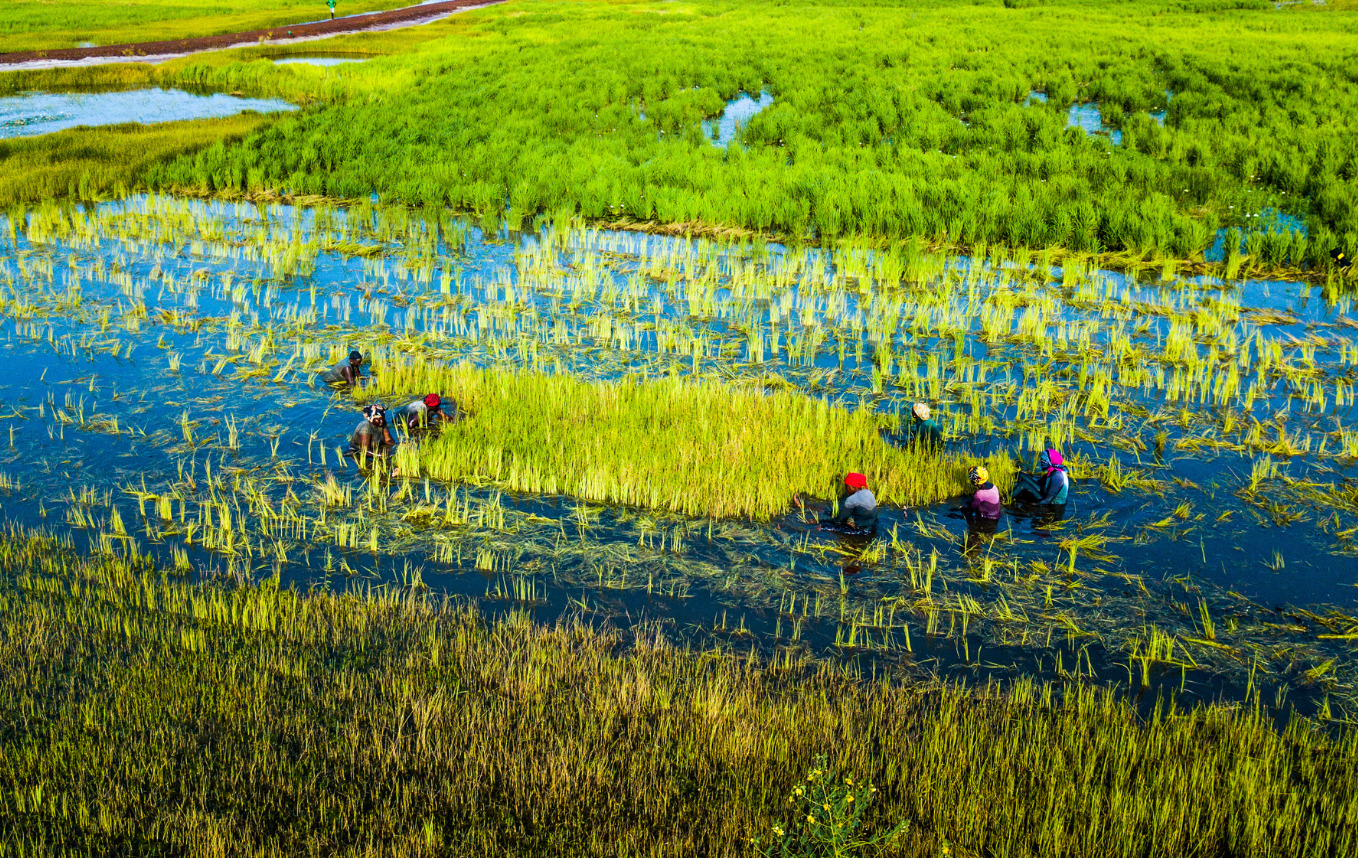
Rwanda is 26,338 km² large and 9.3 million inhabitants, of which about 87% live from agriculture. Strong demographic pressure translates in very fragmented land ownership, which aggravates issues of poverty on the countryside, where 83% of the population lives .

Regardless of the efforts made since 1994 for the socio-economic development of the country, Rwanda remains one of the poorest countries in the world, with almost 57% of population living below the poverty threshold (2007). Less than three quarters of the population have access to drinking water, whereas less than half the population have no hygiene or sanitation facilities. There is one doctor per 18,000 inhabitants and one nurse per 1,690 inhabitants; healthcare service usage is 70% (2007).

Belgium is one of Rwanda’s main donors and intervenes in different sectors.

In the health sector, the interventions of BTC contribute to accessing primary healthcare, through the construction and rehabilitation of infrastructure and through institutional strengthening of the central level and of decentralised instances.

BTC supports justice by strengthening institutional capacities and by supporting the justice reform.

For rural development, many projects are underway in agriculture, water and sanitation, and rural energy.

Thanks to its expertise, BTC also executes projects for other donors. That is why BTC executes the support programme to reforestation in the 9 districts of the Northern and Western Provinces of Rwanda for the Dutch embassy in Kigali. The partnership with the European Union enabled BTC to implement the water and sanitation programme in the Southern Province.
 

Case studies

Waste valorisation and social recognition

In Rwanda, women boost development. They have been major players in post-genocide reconstruction. Today, many women take steps to escape from misery and generate revenue outside of agriculture.


BTC Rwanda

Better sanitation for a healthy environment

Belgium and the European Commission are co-funding a Water and Sanitation Programme which is rehabilitating rundown water networks in the Southern Province of Rwanda. As part of that programme, more than 1,000 ecological latrines will be built in 80 schools for more than 70,000 pupils.


CTB Rwanda

Rwanda | When electricity makes progress

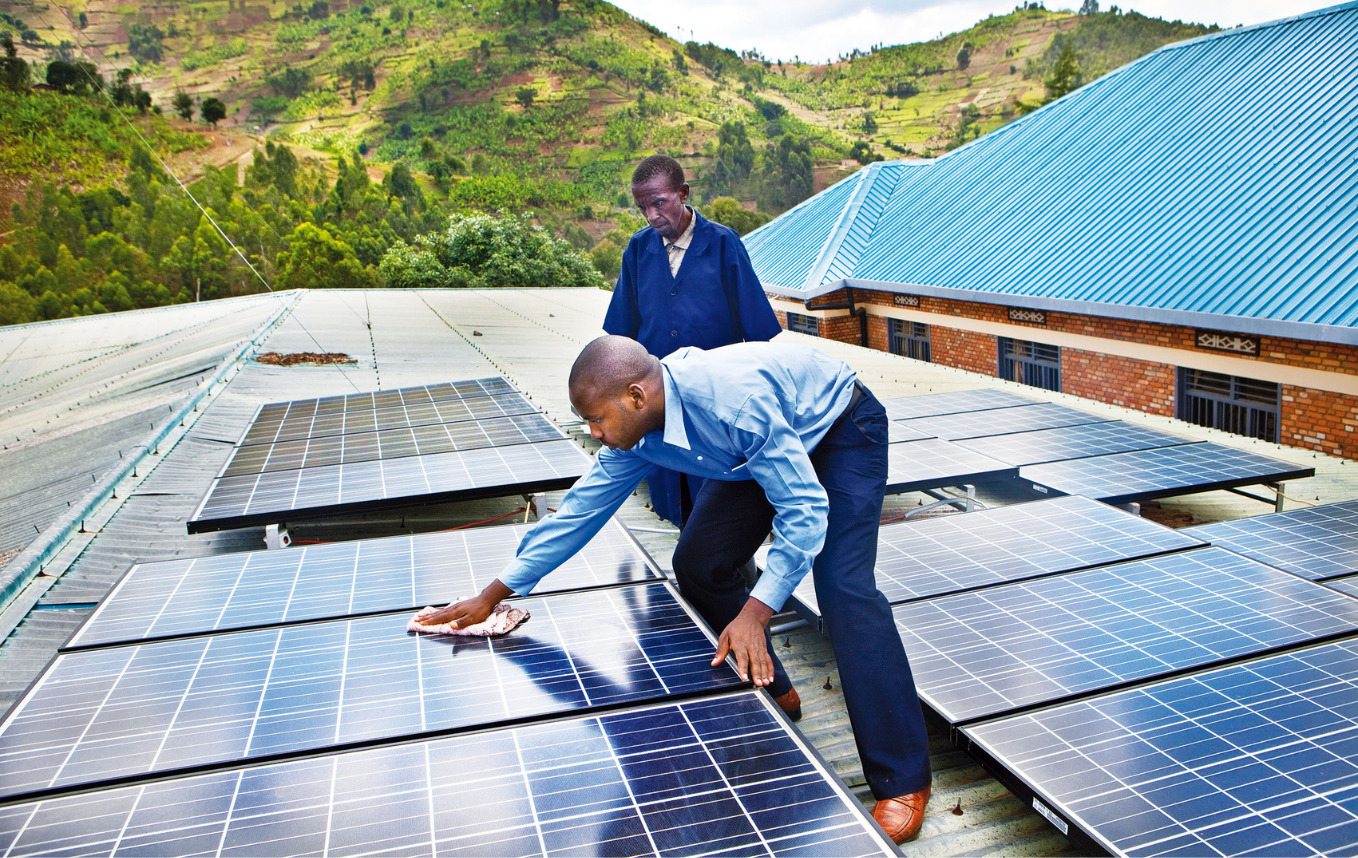
In the west of Rwanda, on the hills near Lake Kivu, about 6,800 families live in Nyamyumba. Recently 416 families have gained access to electricity thanks to the electrification programme. Change has arrived. The local administration is finally computerised and can do away with its typewriters; locals can develop many revenue-generating activities so they do not have to rely solely on agriculture. Another 480 families have asked for access and are expecting to be connected.


Fewer pesticides for higher yields

Bernadette Uzamukunda (40, widow) lives with her 7 children in a remote village in the mountainous Western Province of Rwanda. She runs a small family farm, but her harvest of Irish potatoes barely sufficed to survive.


Rwanda - Like a balloon on the verge of bursting…

Marie-Jeanne Ingabire is 25 years old. She makes movies and is also the vice-president for about one hundred first-aid volunteers of the Rwandan Red Cross. 13 April 2011 is the day of the closing ceremony of the Genocide Commemoration week. On Mount Rebero, in Kigali, hundreds of Rwandans come together to gather their thoughts, to listen to witness accounts, lest one forget…


Clean water for better education

The Bon Pasteur de Kinazi school in the south of Rwanda accommodates 233 boarding students.
Until 2009, the school had a very hard time buying enough clean water. Large part of the school’s budget was spent on the monthly need to boil water for drinking and washing.


Support to the seed sector

In Rwanda, agriculture employs more than 80% of the working population and accounts for about 45% of GDP. As part of the fight against food insecurity, the project to support the seed sector in Rwanda was intended to ensure both the production of, and farmer access to, sufficient quantities of high-quality seed suited to local agro-bio-climatic conditions. This required strengthening the institutional and organisational framework of the channel and of the private sector’s role in seed production and ensuring quality control throughout the chain.


Rwanda : All-out resolve against Nyakatsi

Rwanda has recently embarked on a campaign to phase out grass-thatched houses, locally known as “nyakatsi”, in Kinyarwanda vernacular. According to available statistics, more than eighty thousand huts will be replaced by bricks and iron sheets roofed houses.


Empowering farmers for a sustainable agricultural transformation in Rwanda

The Farmer Field School (FFS) is a group-based learning process widely used by development actors to promote integrated pest management (IPM). Introduced by the UN Food and Agriculture Organization in Indonesia in 1989, FFS was first fully used in Rwanda in 2009 as an agriculture extension approach to promote the use of IPM technology.


Capacity Development in Rwandan Health Care management

Health is one of Rwanda’s development priorities, which is clearly relevant in a densely-populated country like Rwanda. Rwandan resources are the people; so good health care is of essential importance. In 2008 Rwanda counted 40 hospitals, but only 4 of them were lucky to have a professional hospital manager.