For a sustainable world where all live under the rule of law and are free to thrive.
Scroll
Enabel is the development agency of Belgium’s federal government
Our mission is to implement the policy priorities of the Belgian governmental cooperation and to promote sustainable international solidarity.
More about us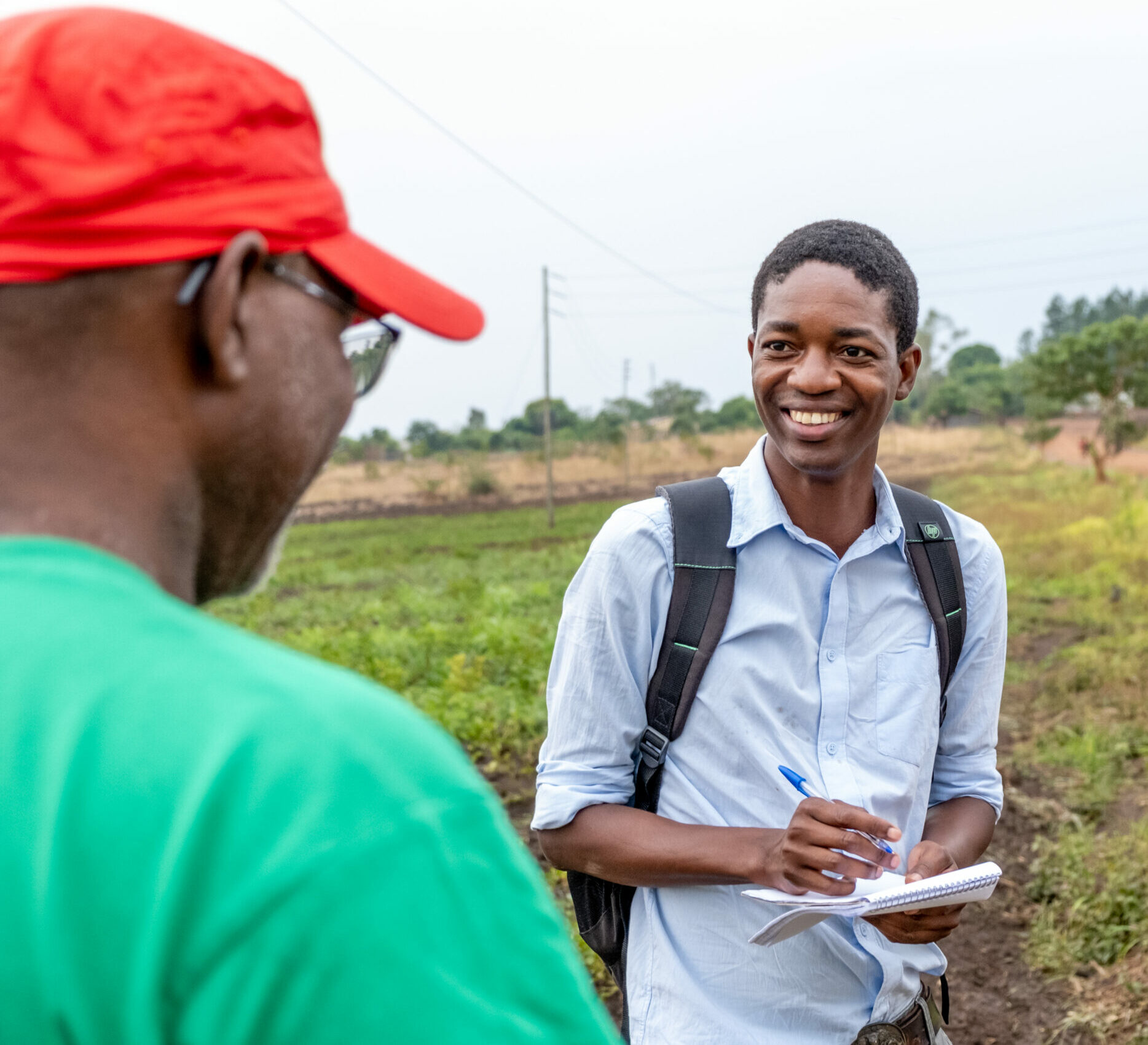
A growing agency
Our expertises
See all expertises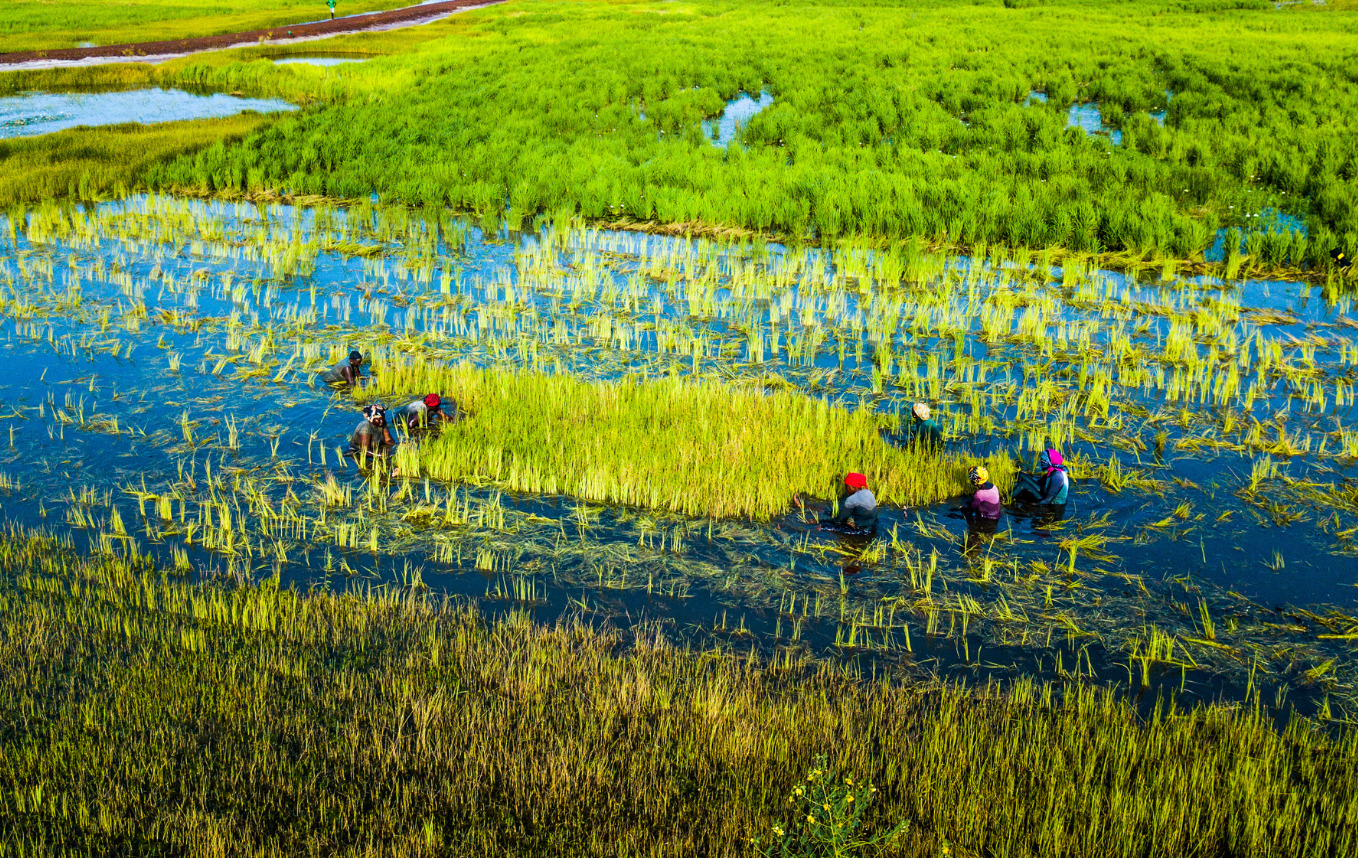
We support sustainable family agriculture, to improve food security and contribute to inclusive economic growth.
Agriculture & rural development
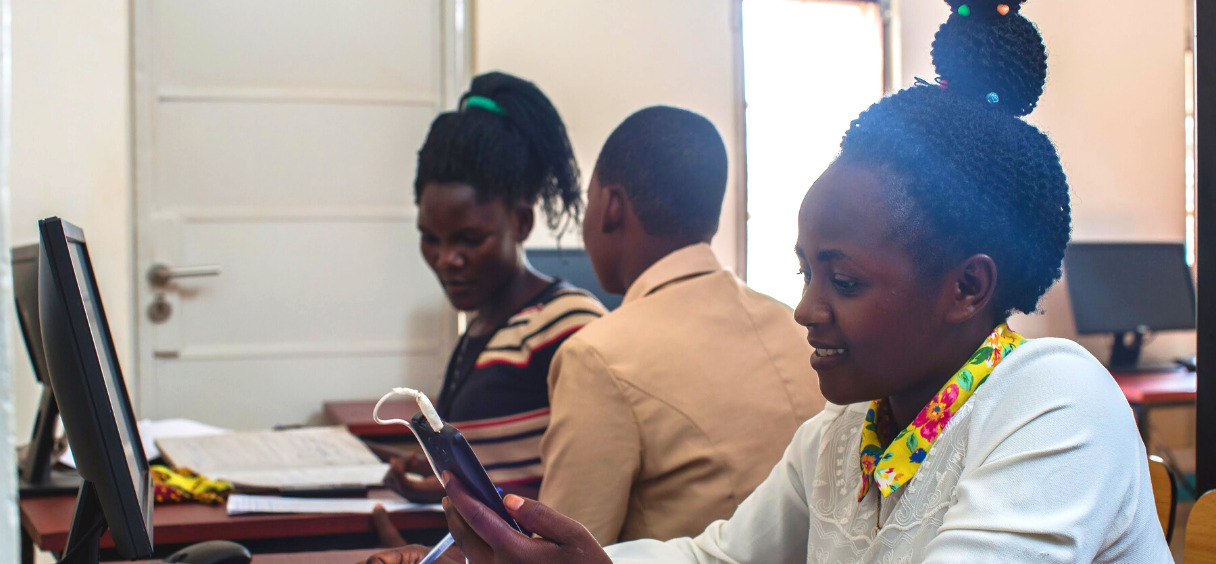
Digital technologies can foster development, help the most vulnerable populations and deliver better public services.
Digitalisation
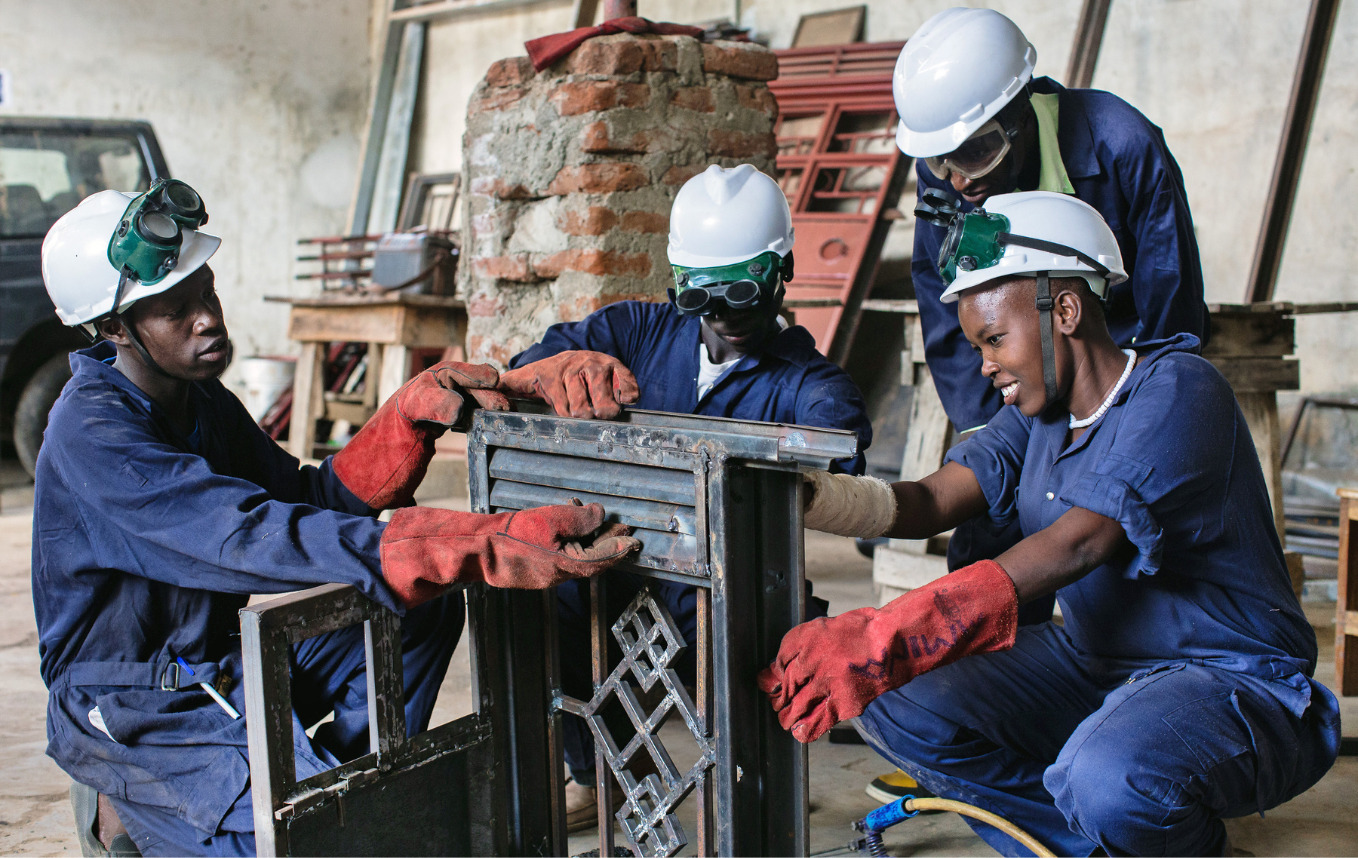
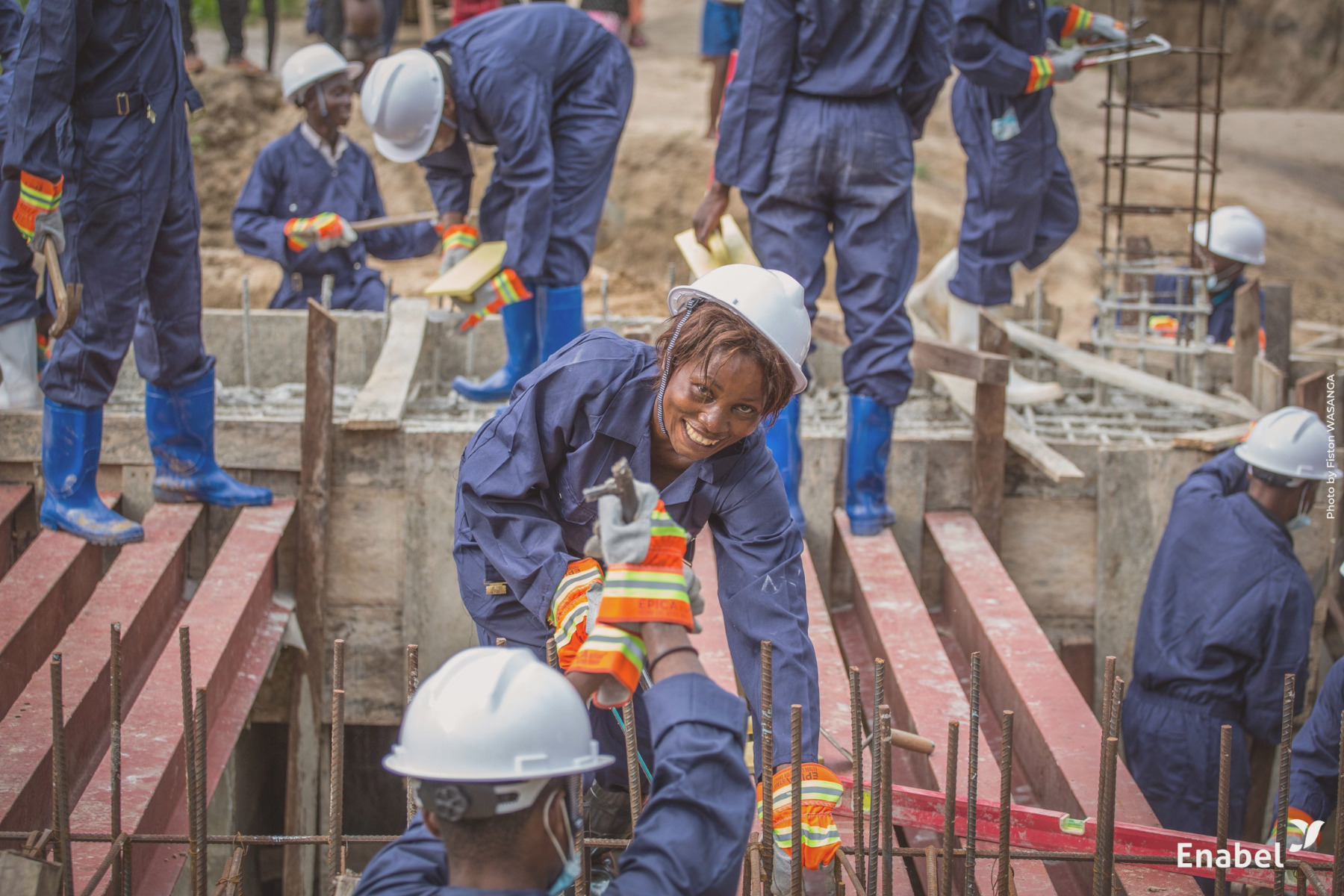
Education is key to economic and personal development, that’s why we support education systems in several countries in Africa and the Middle East.
Education, training & employment
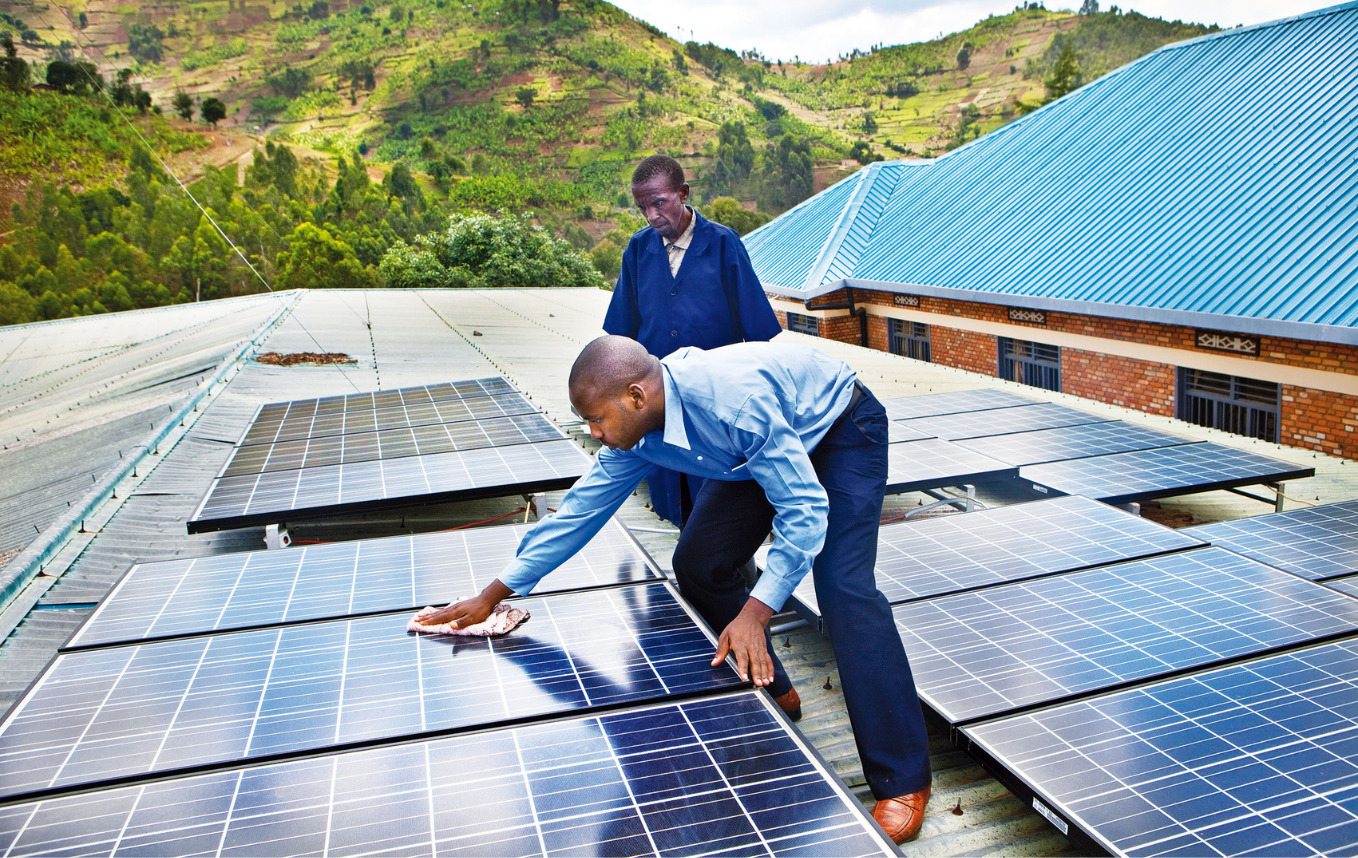
We improve access to energy for households, businesses and institutions. Access to electricity improves people’s quality of life, helps with the provision of better public services and fosters entrepreneurship.
Energy
Activity report 2022-2023
What have we been up to in the past year? Have a look at our activity report with some of the achievements we made together with our partners.
Read more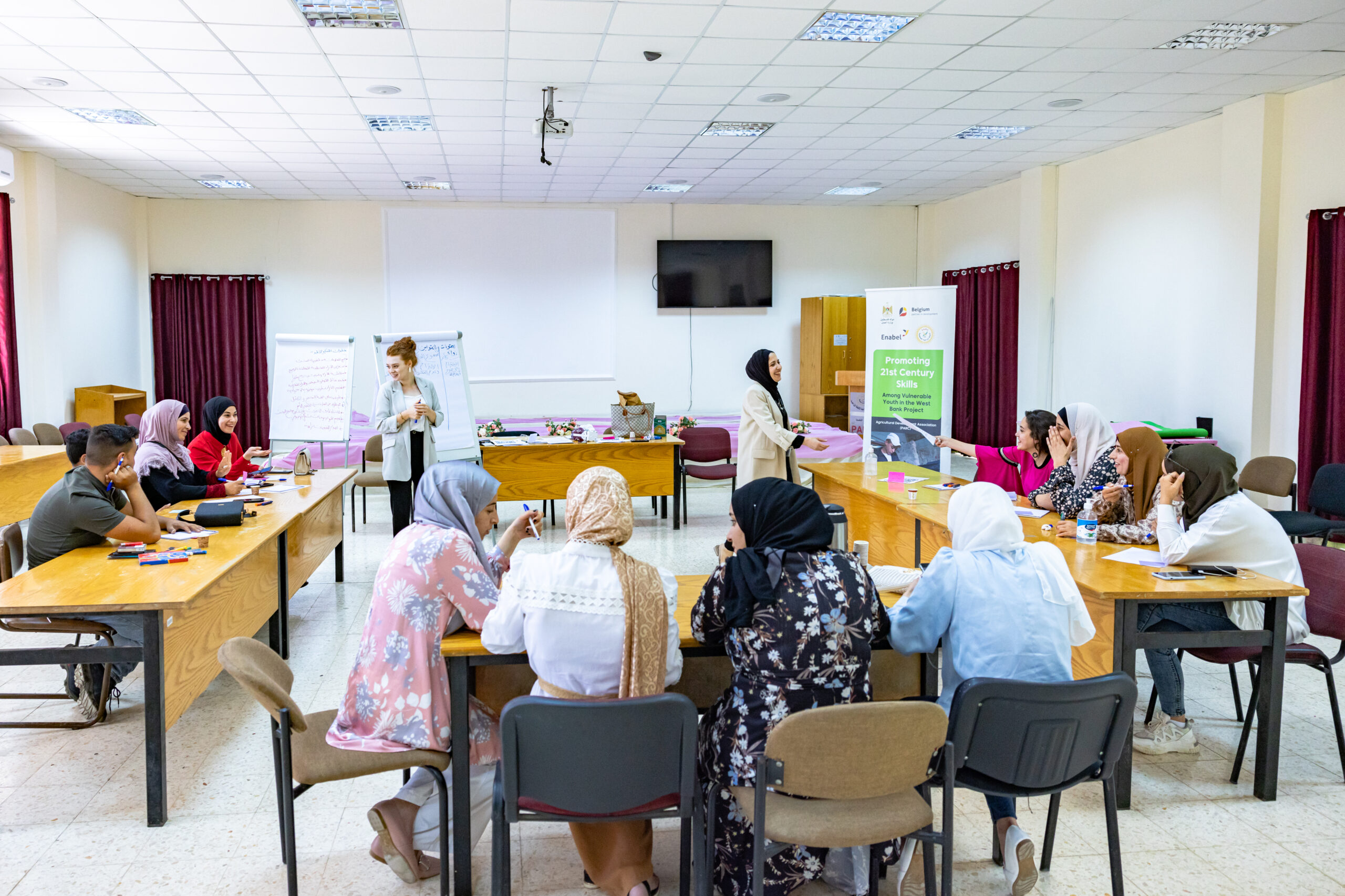
We are all world citizens
News & Events
 Resources
27 April 2024
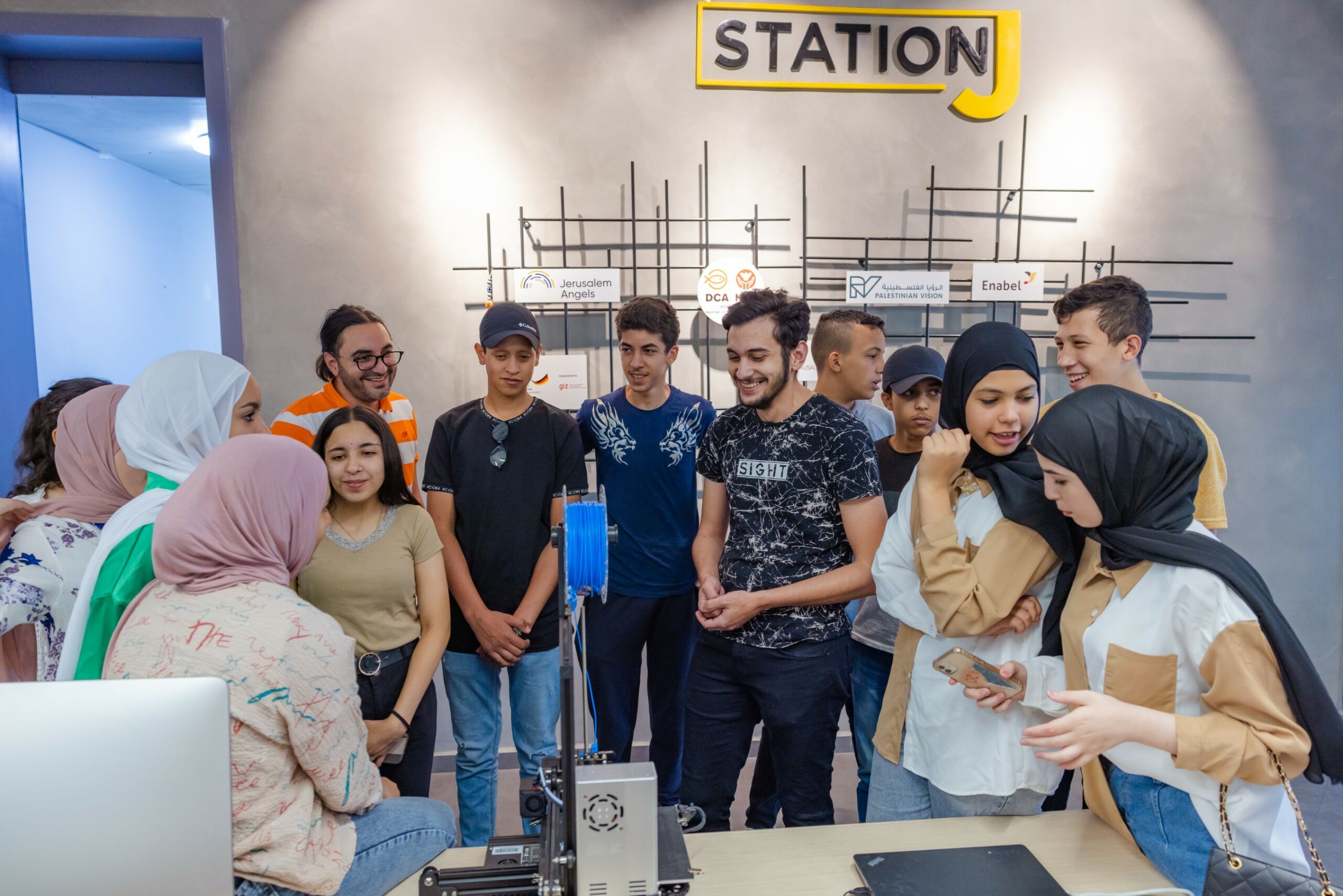
Stations for Skills development in the 21st century
Enabel has introduced a new manual for individuals aged 16 to 29 who are seeking employment or training prospects.
Read more
 News
News
25 April 2024
Employee of Enabel in Gaza killed in bombardment
It is with deep sorrow and horror that we learn of the death of our colleague Abdallah Nabhan (33) and his 7-year-old son Jamal last night after an Israeli airstrike in the eastern part of the city of Rafah.
Read more
 News
News
24 April 2024
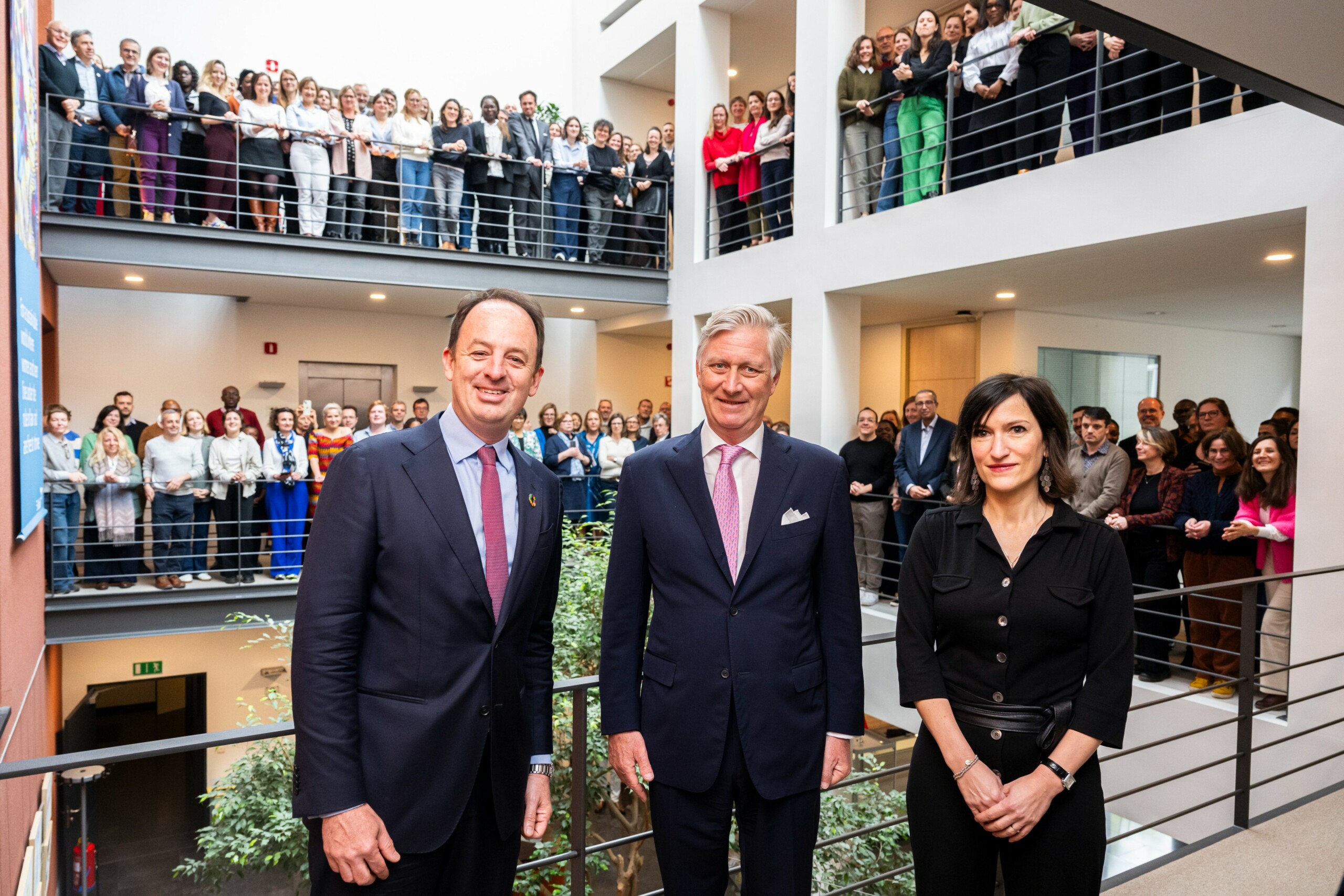
King Philippe visits Enabel
King Philippe of Belgium pays an official visit to Enabel’s offices in Brussels.
Read more
 Events
03 April 2024
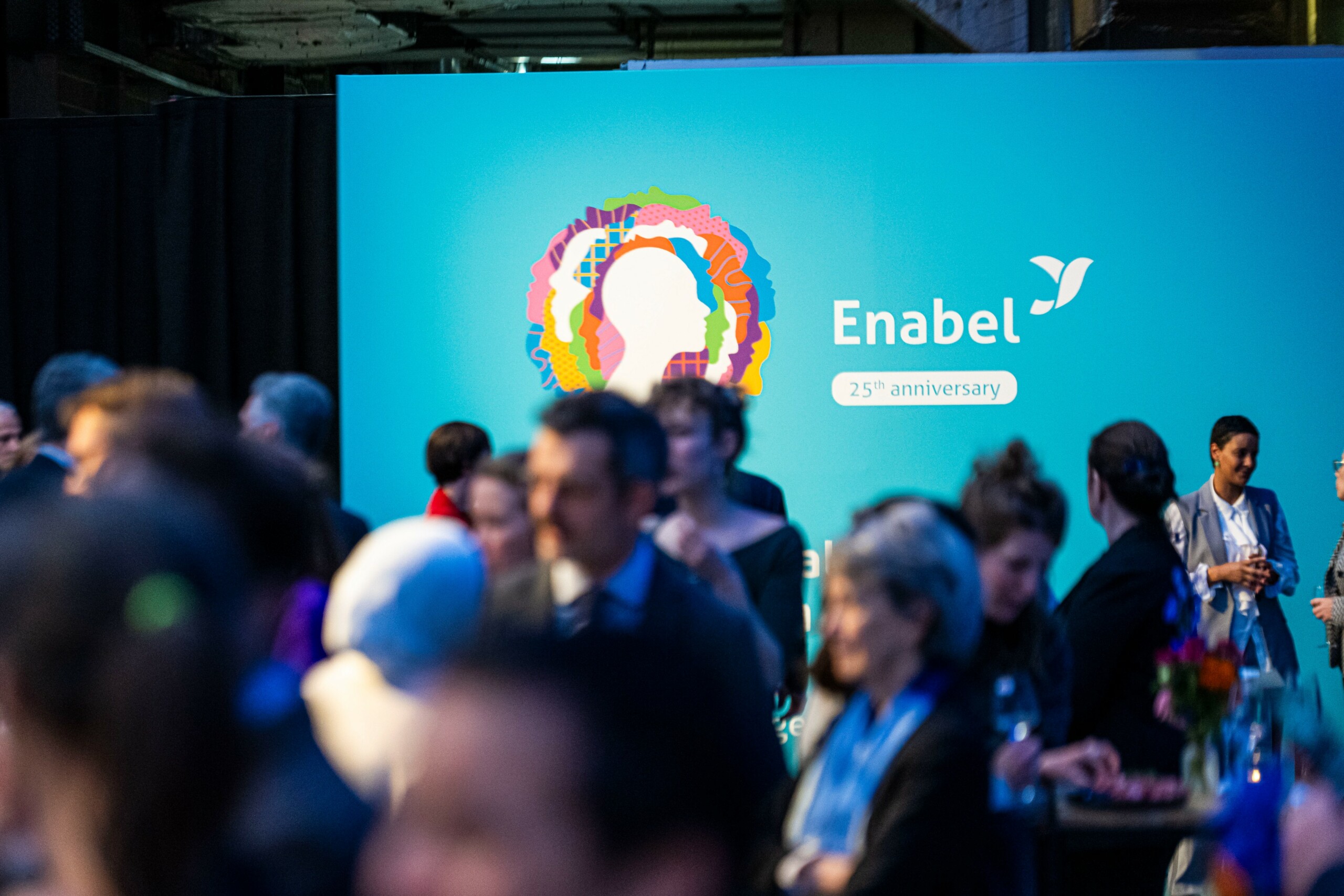
Enabel celebrates its 25th anniversary
Is it time to upcycle international cooperation? On 28th March, we hosted the event “Upcycling international cooperation” on the occasion of our 25th anniversary.
Read more
 News
News
12 March 2024
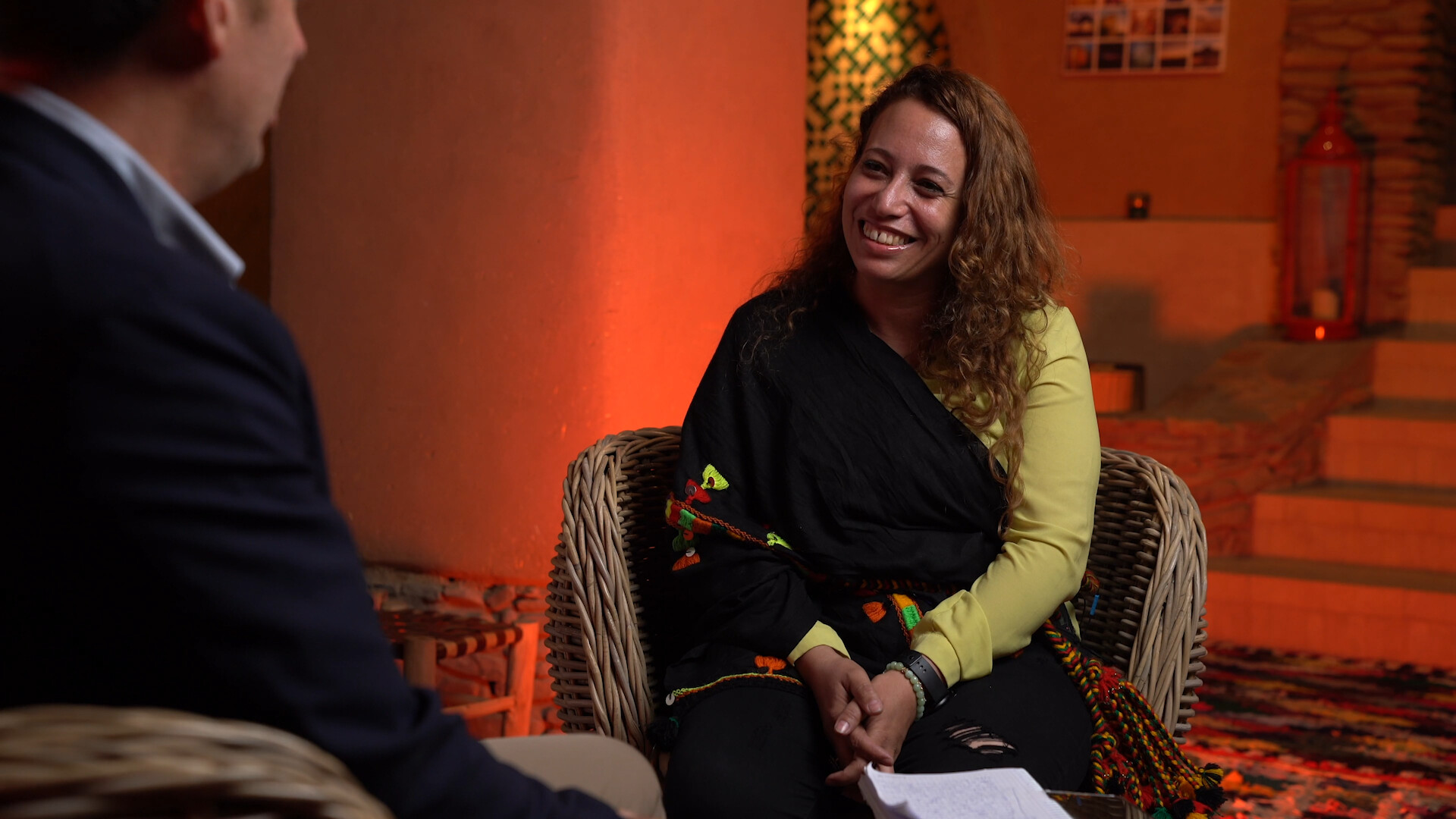
#TeamBelgium invests in women
On the occasion of International Women’s Day, Enabel, BIO and the DGD honoured inspiring and resilient women.
Read more
 News
News
05 February 2024
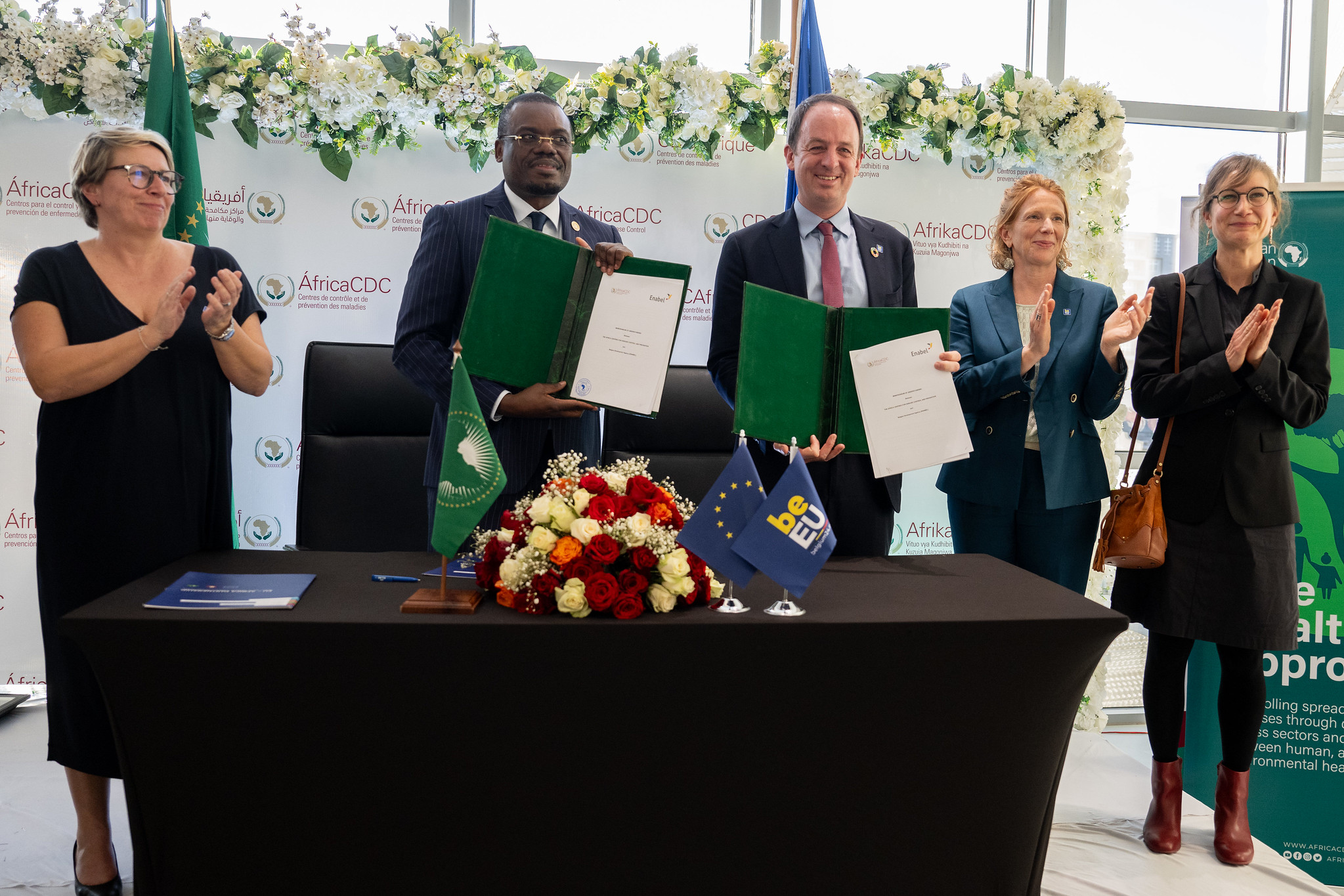
Africa CDC and Enabel strengthen collaboration to reinforce health systems capacity in Africa
“This collaboration with Africa CDC is paramount to move forward and strengthen the continental health security architecture,” says Jean Van Wetter. Read more
Read more